
Bali’s Transition Season: November Weather and Health Tips

Bali’s Transition Season: November Weather and Health Tips


Bali’s Transition Season brings changing weather as the island moves from dry conditions towards the rainy season. November can bring sunny mornings, sudden afternoon showers, and humid evenings. Although rainfall gradually increases, some areas still experience plenty of sunshine. Understanding these changes helps visitors plan activities and stay comfortable.

Understanding Bali’s Transition Season in November

Bali generally experiences two main seasons: the dry season and the rainy season. The dry season usually runs from April to October. Meanwhile, the rainy season typically extends from November to March.

However, seasonal changes do not happen simultaneously across the island. According to recent BMKG information, Bali remains in a transition period in early November 2026. Central areas are expected to enter the rainy season later in November. Most other regions are forecast to follow in December.

This explains why November weather can feel unpredictable. You might enjoy bright sunshine before experiencing heavy rain later. Some areas may also remain relatively dry while others receive rainfall.

Therefore, November is better understood as a transitional month rather than a period of consistently rainy weather.


See Also: Visiting a Doctor in Gili Trawangan


What Is the Weather Like in Bali During November?

November brings several noticeable changes to Bali’s tropical weather. Rainfall gradually increases, while humidity can make outdoor activities feel warmer.

Here are some conditions visitors might experience during this month.

1. Sudden Rain Showers and Sunny Periods

One morning might start with clear skies and bright sunshine. However, clouds can gather quickly, bringing rain during the afternoon. These showers may be brief or last longer, depending on local conditions.

2. Higher Humidity and Warmer Days

Humidity often becomes more noticeable as wetter conditions develop. Even without rain, the air can feel warm and slightly uncomfortable. Staying hydrated becomes especially important during outdoor activities.

3. Greener Landscapes Across the Island

As rainfall increases, Bali’s landscapes gradually become greener. Rice fields, tropical gardens, and inland hills begin recovering their lush appearance. This creates beautiful scenery for visitors exploring the island.

4. Different Weather Conditions Between Regions

Weather conditions can vary between coastal areas and inland destinations. Mountainous regions may experience different rainfall patterns from southern beach destinations. Checking local forecasts helps when planning longer journeys.
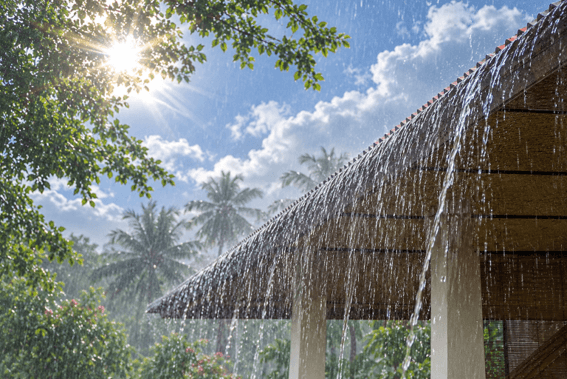
 

Bali’s Transition Season, featuring tropical rainfall, bright sunshine, and lush green surroundings in Bali.


How Bali’s Changing Weather Can Affect Your Health

Changing weather does not automatically make someone sick. However, seasonal conditions can influence daily routines and exposure to certain health risks.

For example, spending long periods outdoors in the rain may leave clothes wet and uncomfortable. Meanwhile, crowded indoor spaces can increase opportunities for respiratory infections to spread.

Travel fatigue, insufficient rest, and dehydration can also affect how comfortable you feel during your holiday.

Some visitors may experience coughing, sore throats, runny noses, or fever. These symptoms can have different causes and should not automatically be attributed to seasonal changes.

For additional information, understanding sore throat symptoms and treatment options can help visitors recognise common causes and appropriate care.


Simple Ways to Stay Healthy During the Transition Season

You do not need to change your entire travel itinerary because of November’s unpredictable weather. A few simple habits can help you stay comfortable throughout your stay.

  1. Carry Rain Protection: Keep a compact umbrella or lightweight raincoat in your day bag. This helps when unexpected showers interrupt outdoor plans.
  2. Stay Hydrated: Drink enough water throughout the day, especially after walking or exercising. Do not wait until you feel thirsty.
  3. Maintain Good Hygiene: Wash your hands regularly, particularly before eating. Avoid sharing personal items with people experiencing respiratory symptoms.
  4. Get Enough Rest: Allow time for recovery between sightseeing activities. Adequate sleep supports your general well-being during travel.
  5. Protect Yourself from Mosquitoes: Use insect repellent and avoid leaving standing water around your accommodation. Mosquito activity can become a concern during wetter periods.

When Should You Visit a Clinic in Bali?

Occasional discomfort does not always require medical attention. However, persistent or worsening symptoms deserve proper evaluation.

A common cold and influenza can share symptoms, but they are different respiratory illnesses. Influenza often develops more suddenly, with fever, body aches, fatigue, and coughing.

Nusa Medica explains these differences in its guide to recognising Influenza A symptoms and supporting recovery.

Consider visiting a healthcare professional if you experience persistent fever, worsening symptoms, or difficulty recovering. Seek urgent medical attention for breathing difficulties, chest pain, confusion, or severe dehydration.

Nusa Medica Clinic provides healthcare support for travellers and residents across several locations in Bali. Having access to medical assistance can offer reassurance when unexpected health concerns arise.


Enjoy Bali Even When the Weather Changes

Bali’s Transition Season makes November an interesting time to explore the island. Sunny periods and occasional showers can both become part of your holiday experience.

Keep your plans flexible, check local weather updates, and prepare suitable clothing. Most importantly, maintain healthy habits throughout your journey.

With a little preparation, you can enjoy Bali’s beaches, cultural attractions, and beautiful green landscapes while looking after your well-being.(*)



Bali Weather in November: Rainy Season Travel Guide

Bali Weather in November: Rainy Season Travel Guide

Bali weather in November marks the beginning of the rainy season. The island remains warm, but rainfall becomes more frequent as the dry season ends. If you are planning a trip, understanding the weather can help you prepare and enjoy your stay.

November is also a transition month. Some days may still be sunny, while others bring afternoon showers or heavier rainfall.

What Is the Weather Like in Bali in November?

November generally brings warm temperatures and higher humidity across Bali. Coastal areas such as Kuta, Seminyak, and Sanur usually experience daytime temperatures around 30–32°C.

At night, temperatures often drop to around 24–25°C. The sea also remains warm, making beach activities possible when weather conditions are suitable.

Rainfall becomes more frequent during this month. However, it does not necessarily rain throughout the day. Short showers may occur, followed by periods of sunshine.

Areas in central Bali, including Ubud, can experience more rainfall than some coastal destinations. The weather may also feel slightly cooler due to the surrounding greenery and higher elevation.


Bali weather in November, showing rainy conditions and a 27°C temperature on a smartphone weather forecast.


What Should You Pack for Bali in November?

A little preparation can make travelling during the rainy season more comfortable. Consider bringing these essentials:

1. A Lightweight Rain Jacket

Bring a compact rain jacket or poncho for sudden showers. It is especially useful when exploring outdoor attractions or travelling between destinations.

2. Comfortable Footwear

Choose sandals or shoes with good grip. Some pavements and outdoor paths can become slippery after rainfall.

3. Sunscreen and Insect Repellent

Cloudy weather does not eliminate UV exposure. Apply sunscreen during outdoor activities. Insect repellent is also useful, particularly during the rainy season.

4. Flexible Travel Plans

Avoid scheduling every outdoor activity back-to-back. Keep alternative indoor activities in mind in case heavy rain affects your plans.

5. Basic Travel Essentials

Pack personal medication, basic first-aid supplies, and a reusable water bottle. Staying hydrated is important in Bali’s warm and humid climate.


See Also: What to Know About Eating Street Food in Bali Safely


How Does November Weather Affect Travel in Bali?

Rain may temporarily affect outdoor activities, road conditions, and travel times. Some beaches may also experience changes in water conditions or marine debris, depending on wind and ocean currents.

You can still enjoy Bali in November. Consider visiting temples, museums, cafes, and indoor attractions when rain interrupts outdoor plans.

For more accurate daily updates, check the BMKG weather forecast before travelling. Weather conditions can vary between different parts of the island.


Staying Healthy During Bali’s Rainy Season

The rainy season can bring conditions that encourage mosquito breeding. Dengue fever is one health concern travellers should be aware of in Bali.

Use insect repellent, wear suitable clothing, and avoid leaving standing water around your accommodation. You can also learn more about preventing dengue fever in Bali.

If you develop a fever or feel unwell during your stay, seek medical advice. Avoid self-diagnosing symptoms, especially if they become persistent or worsen.

Knowing where to access urgent medical care in Bali can also help you feel more prepared.


Is November a Good Time to Visit Bali?

November can still be a good time to visit Bali if you are comfortable with occasional rain. The island remains warm, and many attractions continue to welcome visitors.

The key is to plan with some flexibility. Check local forecasts, bring suitable clothing, and adjust outdoor activities when needed. With the right preparation, you can still enjoy your Bali holiday during the rainy season.(*)


What Is the Best Weather in Bali? Find Your Ideal Season

What Is the Best Weather in Bali? Find Your Ideal Season

What is the best weather in Bali? For most travelers, it comes down to the dry season, roughly April through October, when sunshine is more reliable and rain drops off sharply.

But “best” isn’t the same for everyone, a surfer chasing calm mornings wants something different from a hiker eyeing Mount Batur or a traveler hoping to dodge the crowds.

Here’s how Bali’s weather breaks down, month by month and activity by activity, so you can match your trip to the right conditions.


Which Months Have the Best Weather in Bali?

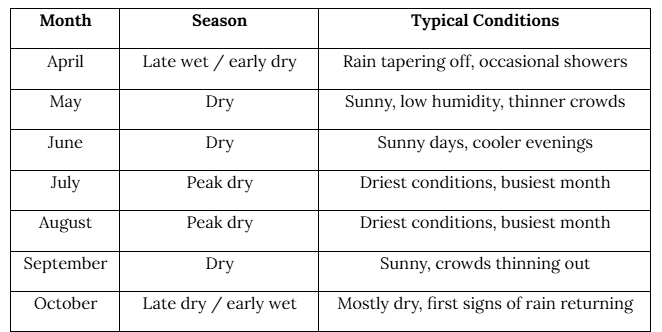
Bali’s dry season runs roughly from April to October, with June through September marking its core stretch.

Bali weather guide showing dry season conditions from April to October, including the peak dry months of July and August.


May, June, and September are often the sweet spot: dry-season weather without the peak crowds and prices of July and August. From November to March, expect more rain, higher humidity, and a noticeably quieter island.

What is the best weather in Bali for enjoying a beautiful sunset and clear skies at the beach?


What Is the Best Month for Different Bali Experiences?

Since “best” weather means different things depending on your plans, here’s how it breaks down by activity.


Best Weather for Beach Holidays

For swimming, sunbathing, and water sports, the dry season, especially May through September, brings the calmest seas and cleanest beaches. Rougher surf and beach debris are more common during the wet season.

Best Weather for Hiking and Outdoor Activities

Trails on Mount Batur and other volcanic routes are safest in the dry season, when paths aren’t muddy and sunrise visibility is at its best. In the wet season, short rice-terrace walks are fine, but serious hikes become riskier.

Best Weather for Sightseeing and Cultural Trips

Temples, museums, and day trips work well in either season. The wet season can even suit sightseeing nicely, cooler air between showers, lusher scenery, and thinner crowds. Just build some flexibility into your schedule in case a downpour interrupts outdoor plans.

Best Weather for Travelers Who Want Fewer Crowds

Here’s the trade-off: the driest weather (July and August) also lines up with Bali’s busiest, priciest stretch. If you’d rather skip the crowds without giving up good weather, April, May, September, and October offer a solid middle ground.


See also: What to Do in Bali: A Simple Guide for Every Type of Traveler


Bali’s Dry Season vs. Wet Season, Compared

Dry Season (April–October)

Running roughly from April to October, Bali’s dry season brings lower humidity, more sunshine, and far less rainfall. Average temperatures sit at about 24–26°C, with July and August the coolest months, while daytime highs commonly reach the low 30s. It’s the most reliable window for beaches, hiking, and outdoor sightseeing. The trade-off is timing: July and August pair the best weather with the highest prices and biggest crowds.

Wet Season (November–March)

From November to March, Bali sees more rain and higher humidity. Average temperatures are similar, at roughly 25–26°C, so the difference is felt in the air’s stickiness more than the heat. Rain rarely falls all day, showers arrive in short, heavy bursts, often in the afternoon or evening, followed by clearer skies. This season still suits temples, spas, and lush rice terraces, usually with fewer visitors and lower prices.

Choosing the Right Weather for Your Bali Trip

If you want Bali’s most dependable weather, aim for the dry season between April and October, keeping in mind that July and August bring the biggest crowds along with the sunniest days. Prioritizing beaches or hiking points you toward May through September, prioritizing culture, budget, or quieter sights makes the wet season, or the shoulder months around it, a reasonable trade-off. Match the season to what you actually want to do in Bali, and the weather will take care of the rest.


Frequently Asked Questions

What month has the best weather in Bali?

June through September generally offers Bali’s most reliable weather, with July and August the driest. May and June are strong alternatives if you want dry-season conditions with smaller crowds.

Is Bali rainy all day during the wet season?

No. Wet-season rain typically arrives in short, intense bursts, often in the afternoon or evening, rather than continuous rain throughout the day.

Is August a good month to visit Bali?

Yes, weather-wise August is typically dry and sunny. Just expect it to be one of the busiest and most expensive months to visit.