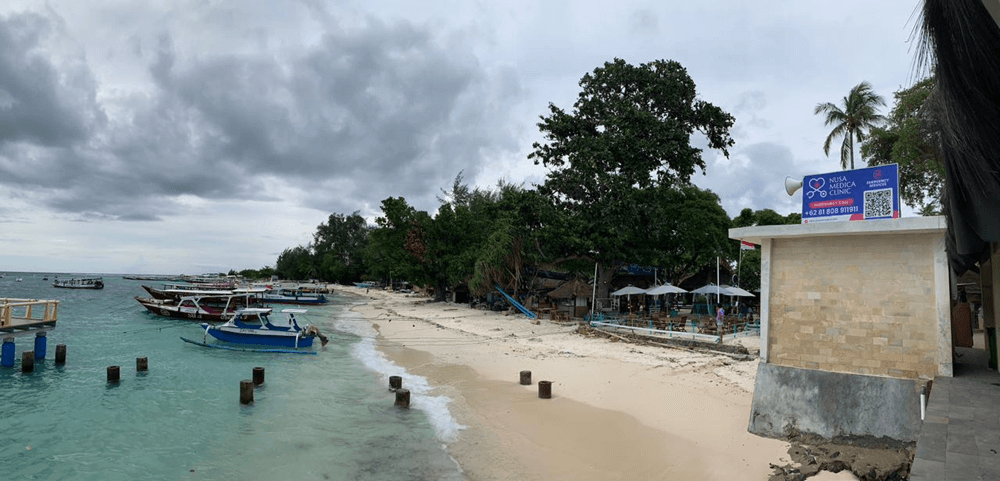
Gili Air does not have a modern port like Bali, but only a traditional port for boat access. If you are heading to Gili Air harbour, you will arrive directly at the beach or small port. Read more in this article about the harbor in Gili Air.
What Can You Expect at Gili Air Harbour?
Gili Air prioritizes a peaceful island atmosphere and environmental protection, so there is no large port here. Gili Air is also a small island, so it needs efficient boat access. As a traveler, I will explain what you can expect from this harbour in Gili Air:
No Typical Docks Installed: You won’t find modern infrastructure like on other islands. So, you may not be able to enjoy a short break or find snacks at the harbor stalls.
Disembark on the Beach: After arriving on the island, the boat will head to a shallow area, and you will disembark there. Lift your pants because the water may be as high as your knees.
Quick Access to Local Transportation: You can easily access several transportation options after disembarking. Options you can consider include renting a bicycle or riding horse carts.(*)
The Gili Islands include Gili Meno, Gili Trawangan, and Gili Air. You can find these islands on the northwest side of Lombok.
Is it worth it for me to visit Gili Air?
There are many reasons why Gili Air is worth visiting. These include the clarity of the seawater, good accommodation, snorkeling activities, nightlife, and authentic restaurants.
Do I need to bring cash before going to the Gili Islands?
Bring some cash because ATMs can sometimes experience technical problems. If you can use an ATM, that’s a relief.
How long does it take to transfer to Gili Air?
It takes 1.5 to 3 hours to get to Gili Air harbour from the port in Bali. Each pier in Bali may have a different travel time.
@nusamedicaclinic Nusa Medica Gili Air Clinic Direction If you’re in Gili Air and need a doctor… this is the direction you should remember 📍 Nusa Medica Gili Air Clinic Quick help when you need it most Send this to your travel buddy so they know where to go… #GiliAirGuide #ClinicGiliAir #NusaMedicaGiliAir #TravelSafety#fyp♬ original sound – nusamedica
What to Do If You Get Sick in Bali: A Traveler’s Guide
Getting sick on holiday can disrupt your plans, especially when you are far from home. Knowing what to do if you get sick in Bali helps you respond calmly and find appropriate medical care.
Start by assessing your symptoms, resting, and drinking fluids if you can tolerate them. However, certain symptoms require urgent medical attention.
What to Do First If You Get Sick in Bali
1. Assess Your Symptoms
Pay attention to when your symptoms started and whether they are getting worse. Note any fever, vomiting, diarrhoea, abdominal pain, or dizziness. These symptoms can have different causes, so avoid diagnosing yourself without professional advice.
2. Rest and Stay Hydrated
For mild symptoms, rest somewhere cool and drink fluids regularly. Oral rehydration solutions (ORS) can help replace fluids and electrolytes lost through vomiting or diarrhoea.
Eat small portions of simple foods if tolerated. Avoid alcohol and strenuous activities while recovering.
3. Know When to Seek Medical Help
Seek medical attention for persistent vomiting, bloody stools, high fever, or severe abdominal pain. Confusion, fainting, difficulty breathing, and severe dehydration require emergency care.
Do not delay treatment if your condition deteriorates.
Common Health Problems Travelers May Experience in Bali
1. Bali Belly and Digestive Problems
Bali Belly is a common term for traveller’s diarrhoea and related digestive symptoms. These may include stomach cramps, nausea, vomiting, and diarrhoea.
Rest and fluid replacement may help mild cases. However, persistent symptoms or warning signs need medical assessment. Read our guide on when to see a doctor for Bali Belly.
2. Dehydration and Heat-Related Illness
Bali’s hot, humid weather can increase fluid loss during hiking, sightseeing, and outdoor activities. Thirst, dark urine, and dizziness may indicate dehydration.
Move somewhere cool, rest, and drink fluids if you can. Confusion or collapse in hot conditions may indicate heat stroke, which requires emergency care. Learn about the signs of heat stroke and why prompt treatment matters.
3. Sunburn After Outdoor Activities
Long hours at the beach or outdoors can cause painful sunburn. Move out of direct sunlight, apply cool compresses, and drink water.
Seek medical advice for severe blistering, significant swelling, or fever. Our guide to sunburn treatment in Bali explains more about caring for sun-damaged skin.
4. Animal Bites and Scratches
Monkey, dog, and cat bites or scratches can expose travellers to rabies. Immediately wash the wound with soap and running water for at least 15 minutes, then seek urgent medical assessment.
A clinic may be suitable for non-emergency concerns, including persistent digestive symptoms, fever, or dehydration requiring assessment. A healthcare professional can evaluate your condition and recommend appropriate treatment.
Seek emergency assistance for difficulty breathing, loss of consciousness, confusion, severe dehydration, or major injuries.
If you cannot travel safely, ask your accommodation to help contact a medical provider. Do not delay emergency care while arranging insurance documents.
How to Contact a Medical Provider
Explain your symptoms, when they started, and whether they are worsening. Mention any allergies, medications, and existing medical conditions.
Keep your travel insurance details accessible. If you cannot travel safely, ask whether a medical home visit is available and appropriate.
Can IV Therapy Help When You Feel Unwell?
Intravenous (IV) therapy delivers fluids or prescribed medications directly into a vein. It may be recommended when someone cannot maintain adequate hydration orally or requires specific treatment.
However, IV therapy is not necessary for every case of fatigue, dehydration, or Bali Belly. Treatment should depend on a clinical assessment. Learn more about IV therapy in Bali.
How to Prepare for the Rest of Your Trip
Give yourself enough time to recover before resuming demanding activities. Follow medical advice, maintain fluid intake, and avoid strenuous exercise while you remain unwell.
If symptoms persist or worsen, seek medical advice before continuing your journey. Keep important medical contacts and insurance information accessible.
Knowing where to find medical help can make unexpected illness easier to manage. Save the contact details of a suitable healthcare provider before travelling, and seek professional advice whenever symptoms concern you.
What should I do if I get sick while on holiday in Bali?
Assess your symptoms, rest, and drink fluids if tolerated. Seek medical advice if symptoms worsen or persist. Serious warning signs require urgent care.
Can tourists visit a clinic in Bali?
Yes. Tourists can seek care at medical clinics and hospitals. Contact the provider to confirm available services, consultation procedures, and payment options.
When should I seek emergency medical care in Bali?
Seek emergency care for difficulty breathing, confusion, loss of consciousness, severe dehydration, or major injuries. Animal bites and scratches that could expose you to rabies also require urgent assessment.
Mount Rinjani Hiking Trails: Complete Guide to Every Route
Mount Rinjani hiking trails offer some of the most spectacular trekking experiences in Indonesia, drawing adventurers to Lombok’s 3,726-meter volcano year after year. Beyond the two famous gateways of Sembalun and Senaru, the national park actually maintains several official access points, each with its own character and difficulty level.
Before you commit to a route, know this: every climber must complete a mandatory health check covering vital signs like blood pressure, temperature, and fitness, a safety rule strictly enforced by park authorities. Below, we break down each trail, plus what you need to prepare medically and physically.
Overview of Mount Rinjani’s Official Hiking Routes
1. Sembalun Trail
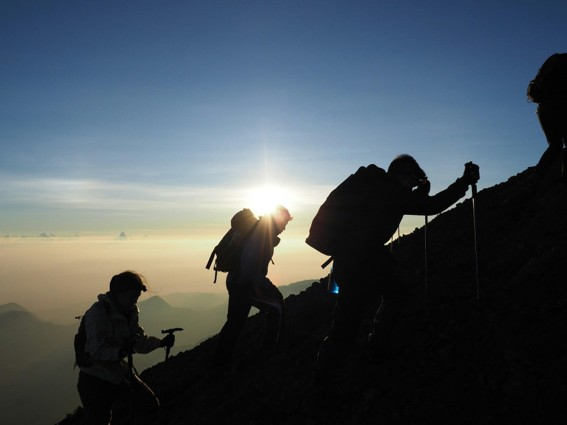
The Sembalun Trail is the most popular route for summit attempts. It begins in open savanna grassland, climbing roughly 2,600 meters in elevation gain over 2–4 days. The final push to the crater rim involves a steep scree slope, but the sunrise views from the top are impressive. This route also connects easily to Segara Anak crater lake and its hot springs.
2. Senaru Trail
Senaru Trail winds through dense tropical rainforest, passing waterfalls before reaching Plawangan Senaru. With around 3,100 meters of elevation gain, it’s considered slightly gentler on Day 1 than Sembalun. Many trekkers choose a 2 day 1 night crater rim only itinerary here if summiting isn’t the goal.
3. Torean Route
The Torean Route is a scenic but demanding path featuring waterfalls, rivers, and valley crossings. It is not fully developed by park authorities, meaning higher exposure risk and a stronger need for an experienced guide. Most trekkers use it as a descent route rather than an ascent.
4. Timbanuh Route
Located on Rinjani’s southern slopes, the Timbanuh Route is newer and far less crowded. It typically takes 2–3 days and is recommended for hikers who already have trekking experience, given its remote and less-maintained terrain.
5. Aik Berik Route
Starting near Benang Stokel waterfall, the Aik Berik Route offers a quieter southern approach with similar trekking duration to Senaru and Sembalun. It’s ideal for trekkers wanting to avoid peak-season crowds while still reaching the crater rim.
Essential Preparation & Mandatory Medical Check
Rinjani demands real physical readiness. Whichever trail you pick, you’ll gain thousands of meters over volcanic terrain in shifting weather. That’s why all hikers must pass a mandatory health check before starting, a vital signs screening covering blood pressure, body temperature, and general fitness, done at the trekking post or through your registered operator.
This screening exists because conditions like hypertension can become dangerous at altitude, and catching them early can prevent serious complications on the trail. Before departing, read this complete Mount Rinjani medical guide to understand the screening process, and check these health tips before your trek so you arrive genuinely prepared.
Pack these essentials:
Layered clothing for sharp temperature drops near the summit
Most summit pushes start around 2–3 AM in freezing, windy conditions, a stark contrast to Lombok’s tropical lowlands. This sudden shift is where many trekkers underestimate risk. Rapid temperature drops combined with exhaustion can trigger hypothermia, one of the most common yet preventable emergencies on Rinjani.
Learn the early warning signs, persistent shivering, slurred speech, confusion, or unusual fatigue, and act immediately if you notice them in yourself or a trekking partner. For a full breakdown of symptoms, first-aid steps, and when evacuation is necessary, read this guide on hypothermia symptoms and first aid. Always trek with a licensed guide and register at the official park post.
Choose Your Trail, Prepare Your Body, Conquer Rinjani
Whichever of the five routes you choose, Rinjani rewards those who prepare seriously. Book with a licensed operator, pass your mandatory health check, train beforehand, and pack for freezing nights. Do that, and the sunrise over Segara Anak becomes one of the most unforgettable moments of your Indonesia journey.
Frequently Asked Questions
Do I need a medical check before hiking Rinjani?
Yes. All climbers must complete a mandatory health check, including blood pressure, temperature, and fitness screening, before starting any trail.
Which Rinjani trail is best for beginners?
The Senaru Trail’s 2D1N crater-rim itinerary is generally the most approachable, since it skips the technical summit push.
Is it possible to hike Mount Rinjani without a guide? No, licensed guides and registered porters are mandatory on every official route for safety and park compliance.
Best Matcha in Bali: Where to Find the Finest Cups
Matcha has grown into one of Bali’s favorite drink trends, drawing both locals and travelers with its vibrant color and earthy flavor. As interest rises, more island cafes are building their entire concept around this Japanese green tea, often pairing it with scenic, photo-worthy settings. Below are 10 standout places to try the best matcha in Bali, organized by area for easy planning.
Must-Visit Matcha Spots in Bali
1. Kurasu Bali
Location: Tanah Gajah, Jl. Raya Goa Gajah, Kemenuh (Ubud) & Jl. Babadan No.89, Pererenan | Hours: 07.00–19.00 | Price: Rp50,000–150,000
This Kyoto-born specialist runs two Bali outposts, blending Japanese precision with Balinese warmth. The menu rotates with Japan’s four seasons, including signature pours like the Matcha Kinako.
Rooted in Omakase-style tea tradition, Chontea sources leaves directly from independent farmers in Japan, Taiwan, and Indonesia, resulting in seasonal, limited-edition pours.
A calm, minimalist space built around first-harvest matcha sourced straight from Japanese farmers, with a guided tasting available for curious visitors.
True to its name, this cozy hideaway uses matcha sourced from Uji, one of Japan’s top tea-growing regions. Its Coco Matcha Cloud is light, refreshing, and well suited to Bali’s climate.
Tucked inside a quiet residential neighborhood, this spot is known for ceremonial-grade matcha and Japanese pumpkin donuts. For something bolder, try the Rose Milk Matcha Latte.
Focused on ceremonial-grade matcha, with the Pure Hojicha Latte and Matcha Latte as standout picks. Coffee lovers can opt for a Spanish Latte or Sea Salt Latte instead.
Tabanan’s first all-matcha bar, with a cozy, family-friendly setup that’s also great for working from a cafe. Try the Creamy Coconut Matcha Latte or Spirulina Matcha Latte.
A specialty matcha cafe focused on balance and purity, offering ceremonial-grade drinks and house-made pastries that let the tea’s natural depth shine.
From the calm of Ubud to the quieter roads of Tabanan, Bali truly delivers when it comes to matcha the flavor is rich, the spots are plentiful, and there’s a cafe here for every kind of matcha lover. That said, drinking matcha in excess isn’t always kind to the stomach, and digestive discomfort can catch anyone off guard while traveling. If that happens, Nusa Medica’s call center and clinic are available 24 hours a day whenever you need them.(*)
Frequently Asked Questions
Where can I find ceremonial-grade matcha in Bali?
Kurasu Bali, Saikō Matcha Atelier, Sip Club Matcha, and Ceremonial Matcha & Coffee Space are known for it.
Which area has the most matcha cafes in Bali?
Ubud, Pererenan, and Kerobokan lead, with more spots in Canggu, Denpasar, Tabanan, and Uluwatu.
How much does matcha cost in Bali?
Prices range from about Rp25,000 for a simple latte to over Rp150,000 for ceremonial-grade pours.