

Bali’s Transition Season: November Weather and Health Tips
Bali’s Transition Season brings changing weather as the island moves from dry conditions towards the rainy season. November can bring sunny mornings, sudden afternoon showers, and humid evenings. Although rainfall gradually increases, some areas still experience plenty of sunshine. Understanding these changes helps visitors plan activities and stay comfortable.
Understanding Bali’s Transition Season in November
Bali generally experiences two main seasons: the dry season and the rainy season. The dry season usually runs from April to October. Meanwhile, the rainy season typically extends from November to March.
However, seasonal changes do not happen simultaneously across the island. According to recent BMKG information, Bali remains in a transition period in early November 2026. Central areas are expected to enter the rainy season later in November. Most other regions are forecast to follow in December.
This explains why November weather can feel unpredictable. You might enjoy bright sunshine before experiencing heavy rain later. Some areas may also remain relatively dry while others receive rainfall.
Therefore, November is better understood as a transitional month rather than a period of consistently rainy weather.
See Also: Visiting a Doctor in Gili Trawangan
What Is the Weather Like in Bali During November?
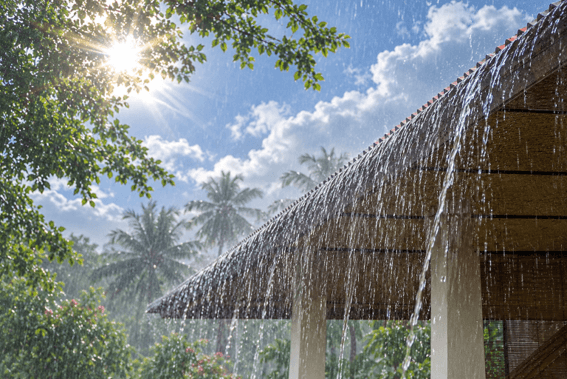
November brings several noticeable changes to Bali’s tropical weather. Rainfall gradually increases, while humidity can make outdoor activities feel warmer.
Here are some conditions visitors might experience during this month.
1. Sudden Rain Showers and Sunny Periods
One morning might start with clear skies and bright sunshine. However, clouds can gather quickly, bringing rain during the afternoon. These showers may be brief or last longer, depending on local conditions.
2. Higher Humidity and Warmer Days
Humidity often becomes more noticeable as wetter conditions develop. Even without rain, the air can feel warm and slightly uncomfortable. Staying hydrated becomes especially important during outdoor activities.
3. Greener Landscapes Across the Island
As rainfall increases, Bali’s landscapes gradually become greener. Rice fields, tropical gardens, and inland hills begin recovering their lush appearance. This creates beautiful scenery for visitors exploring the island.
4. Different Weather Conditions Between Regions
Weather conditions can vary between coastal areas and inland destinations. Mountainous regions may experience different rainfall patterns from southern beach destinations. Checking local forecasts helps when planning longer journeys.
How Bali’s Changing Weather Can Affect Your Health
Changing weather does not automatically make someone sick. However, seasonal conditions can influence daily routines and exposure to certain health risks.
For example, spending long periods outdoors in the rain may leave clothes wet and uncomfortable. Meanwhile, crowded indoor spaces can increase opportunities for respiratory infections to spread.
Travel fatigue, insufficient rest, and dehydration can also affect how comfortable you feel during your holiday.
Some visitors may experience coughing, sore throats, runny noses, or fever. These symptoms can have different causes and should not automatically be attributed to seasonal changes.
For additional information, understanding sore throat symptoms and treatment options can help visitors recognise common causes and appropriate care.
Simple Ways to Stay Healthy During the Transition Season
You do not need to change your entire travel itinerary because of November’s unpredictable weather. A few simple habits can help you stay comfortable throughout your stay.
- Carry Rain Protection: Keep a compact umbrella or lightweight raincoat in your day bag. This helps when unexpected showers interrupt outdoor plans.
- Stay Hydrated: Drink enough water throughout the day, especially after walking or exercising. Do not wait until you feel thirsty.
- Maintain Good Hygiene: Wash your hands regularly, particularly before eating. Avoid sharing personal items with people experiencing respiratory symptoms.
- Get Enough Rest: Allow time for recovery between sightseeing activities. Adequate sleep supports your general well-being during travel.
- Protect Yourself from Mosquitoes: Use insect repellent and avoid leaving standing water around your accommodation. Mosquito activity can become a concern during wetter periods.
When Should You Visit a Clinic in Bali?
Occasional discomfort does not always require medical attention. However, persistent or worsening symptoms deserve proper evaluation.
A common cold and influenza can share symptoms, but they are different respiratory illnesses. Influenza often develops more suddenly, with fever, body aches, fatigue, and coughing.
Nusa Medica explains these differences in its guide to recognising Influenza A symptoms and supporting recovery.
Consider visiting a healthcare professional if you experience persistent fever, worsening symptoms, or difficulty recovering. Seek urgent medical attention for breathing difficulties, chest pain, confusion, or severe dehydration.
Nusa Medica Clinic provides healthcare support for travellers and residents across several locations in Bali. Having access to medical assistance can offer reassurance when unexpected health concerns arise.
Enjoy Bali Even When the Weather Changes
Bali’s Transition Season makes November an interesting time to explore the island. Sunny periods and occasional showers can both become part of your holiday experience.
Keep your plans flexible, check local weather updates, and prepare suitable clothing. Most importantly, maintain healthy habits throughout your journey.
With a little preparation, you can enjoy Bali’s beaches, cultural attractions, and beautiful green landscapes while looking after your well-being.(*)