
What to Do If You Get Sick in Bali: A Traveler’s Guide

What to Do If You Get Sick in Bali: A Traveler’s Guide


Getting sick on holiday can disrupt your plans, especially when you are far from home. Knowing what to do if you get sick in Bali helps you respond calmly and find appropriate medical care.

Start by assessing your symptoms, resting, and drinking fluids if you can tolerate them. However, certain symptoms require urgent medical attention.


What to Do First If You Get Sick in Bali

1.    Assess Your Symptoms

Pay attention to when your symptoms started and whether they are getting worse. Note any fever, vomiting, diarrhoea, abdominal pain, or dizziness. These symptoms can have different causes, so avoid diagnosing yourself without professional advice.

2.    Rest and Stay Hydrated

For mild symptoms, rest somewhere cool and drink fluids regularly. Oral rehydration solutions (ORS) can help replace fluids and electrolytes lost through vomiting or diarrhoea.

Eat small portions of simple foods if tolerated. Avoid alcohol and strenuous activities while recovering.

3.    Know When to Seek Medical Help

Seek medical attention for persistent vomiting, bloody stools, high fever, or severe abdominal pain. Confusion, fainting, difficulty breathing, and severe dehydration require emergency care.

Do not delay treatment if your condition deteriorates.

 

What to Do If You Get Sick in Bali – a sick traveler resting on a sofa while checking her temperature.


Common Health Problems Travelers May Experience in Bali

1.    Bali Belly and Digestive Problems

Bali Belly is a common term for traveller’s diarrhoea and related digestive symptoms. These may include stomach cramps, nausea, vomiting, and diarrhoea.

Rest and fluid replacement may help mild cases. However, persistent symptoms or warning signs need medical assessment. Read our guide on when to see a doctor for Bali Belly.

2.    Dehydration and Heat-Related Illness

Bali’s hot, humid weather can increase fluid loss during hiking, sightseeing, and outdoor activities. Thirst, dark urine, and dizziness may indicate dehydration.

Move somewhere cool, rest, and drink fluids if you can. Confusion or collapse in hot conditions may indicate heat stroke, which requires emergency care. Learn about the signs of heat stroke and why prompt treatment matters.

3.    Sunburn After Outdoor Activities

Long hours at the beach or outdoors can cause painful sunburn. Move out of direct sunlight, apply cool compresses, and drink water.

Seek medical advice for severe blistering, significant swelling, or fever. Our guide to sunburn treatment in Bali explains more about caring for sun-damaged skin.

4.    Animal Bites and Scratches

Monkey, dog, and cat bites or scratches can expose travellers to rabies. Immediately wash the wound with soap and running water for at least 15 minutes, then seek urgent medical assessment.

Do not wait for symptoms to appear. Read our guide on what to do after a monkey bite in Bali.


Where to Get Medical Help in Bali

When to Visit a Clinic

A clinic may be suitable for non-emergency concerns, including persistent digestive symptoms, fever, or dehydration requiring assessment. A healthcare professional can evaluate your condition and recommend appropriate treatment.

Travellers can also read our guide to finding a trusted family doctor in Bali.

When You Need Emergency Care

Seek emergency assistance for difficulty breathing, loss of consciousness, confusion, severe dehydration, or major injuries.

If you cannot travel safely, ask your accommodation to help contact a medical provider. Do not delay emergency care while arranging insurance documents.

How to Contact a Medical Provider

Explain your symptoms, when they started, and whether they are worsening. Mention any allergies, medications, and existing medical conditions.

Keep your travel insurance details accessible. If you cannot travel safely, ask whether a medical home visit is available and appropriate.

Can IV Therapy Help When You Feel Unwell?

Intravenous (IV) therapy delivers fluids or prescribed medications directly into a vein. It may be recommended when someone cannot maintain adequate hydration orally or requires specific treatment.

However, IV therapy is not necessary for every case of fatigue, dehydration, or Bali Belly. Treatment should depend on a clinical assessment. Learn more about IV therapy in Bali.

How to Prepare for the Rest of Your Trip

Give yourself enough time to recover before resuming demanding activities. Follow medical advice, maintain fluid intake, and avoid strenuous exercise while you remain unwell.

If symptoms persist or worsen, seek medical advice before continuing your journey. Keep important medical contacts and insurance information accessible.


See Also: Nusa Medica Sea Ambulance Medical Evacuation Across Bali and Nearby Islands


Stay Prepared for a Healthier Trip in Bali

Knowing where to find medical help can make unexpected illness easier to manage. Save the contact details of a suitable healthcare provider before travelling, and seek professional advice whenever symptoms concern you.

If you need assistance during your stay, contact Nusa Medica via WhatsApp to enquire about available medical services.(*)


Frequently Asked Questions

What should I do if I get sick while on holiday in Bali?

Assess your symptoms, rest, and drink fluids if tolerated. Seek medical advice if symptoms worsen or persist. Serious warning signs require urgent care.

Can tourists visit a clinic in Bali?

Yes. Tourists can seek care at medical clinics and hospitals. Contact the provider to confirm available services, consultation procedures, and payment options.

When should I seek emergency medical care in Bali?

Seek emergency care for difficulty breathing, confusion, loss of consciousness, severe dehydration, or major injuries. Animal bites and scratches that could expose you to rabies also require urgent assessment.


Nusa Medica Sea Ambulance: Medical Evacuation Across Bali and Nearby Islands

Nusa Medica Sea Ambulance: Medical Evacuation Across Bali and Nearby Islands

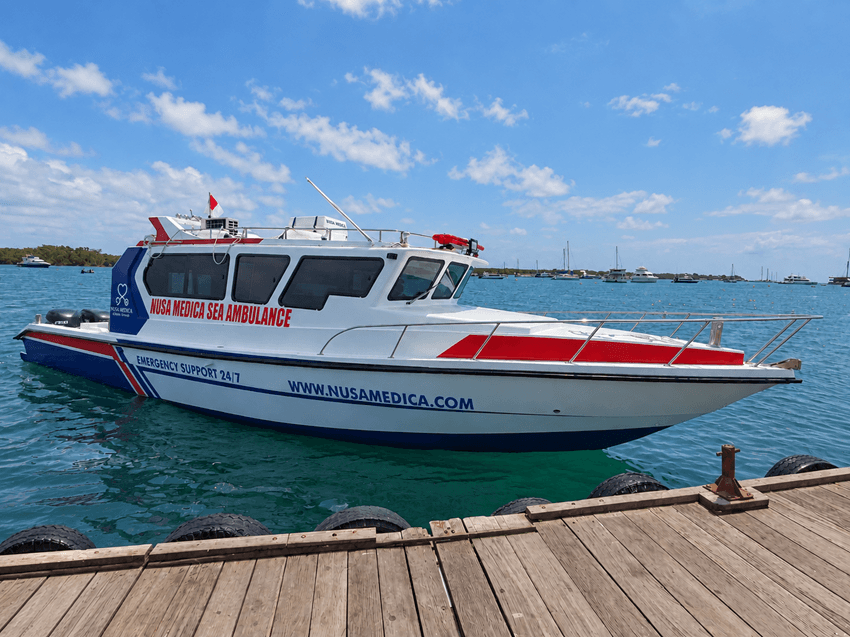
When a medical emergency happens on an island, getting a patient to the right hospital can be a challenge. Road transport is not always an option, and in some locations, traveling by sea is the most practical way to reach a referral hospital. To support faster medical referrals between islands, Nusa Medica Clinic Group has introduced the Nusa Medica Sea Ambulance, a dedicated medical evacuation vessel designed for patient transfers by sea. The service is available for both local residents and international travelers who need further medical treatment at a referral hospital. According to its official E-Pas document, the vessel is registered for medical evacuation and ambulance purposes.

Why the Nusa Medica Sea Ambulance Matters

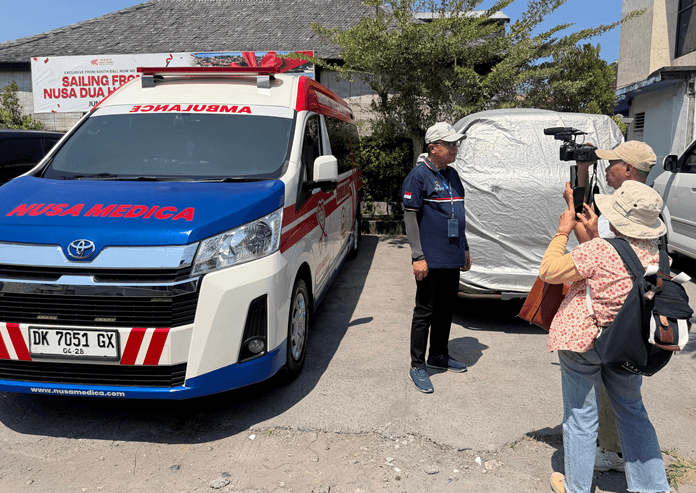
Dr. I Gde Yudha Kurniawan, Operational Director of PT Nusa Medica Assistama, explained that the main purpose of the service is to speed up referrals from island clinics and primary healthcare facilities to hospitals with more advanced medical facilities.

“The main purpose of the Sea Ambulance is to speed up the referral process for patients who need further treatment at a referral hospital. The service is available for both local residents and international travelers, while also supporting tourism through better access to medical services,” said Dr. Yudha.

Operational Director PT Nusa Medica Assistama dr. I Gde Yudha Kurniawan during a media interview beside a Nusa Medica ambulance.

The service covers patient transfers from Nusa Lembongan and Nusa Penida, including routes to Sanur and Padang Bai. Depending on the patient’s medical and referral needs, the service can also reach Gili Air and Gili Trawangan.

For people living on or visiting these islands, having a dedicated water ambulance provides another option when a patient needs to reach a hospital on the mainland.

Nusa Medica Sea Ambulance for inter-island medical evacuation and emergency patient transport in Bali.

See Also: Visit a Doctor in Gili Trawangan: Your Ultimate Guide


Sea Ambulance Specifications

The sea ambulance specifications are designed to support inter-island medical transportation. According to its official E-Pas, the fiberglass vessel measures 11.10 meters in length, 2.70 meters in width, and 1.10 meters in depth.

Ridho Ananda, Call Center Manager of Nusa Medica Assistama, said the boat is powered by three Yamaha engines with a combined output of 750 PK.

Of course, an ambulance boat is not just about the boat itself. The ambulance boat inside is equipped to support patients while they are being transported. Medical equipment includes a ventilator, patient monitor, oxygen, and other supporting medical devices. Patients can also be accompanied by trained and certified medical personnel during the evacuation.

What Medical Cases May Need a Water Ambulance?

Not every medical problem requires evacuation by sea. A sea ambulance may be needed when a patient has been assessed or initially treated at a clinic but requires further care at a hospital.

According to Dr. Yudha, examples include head trauma, fractures, diarrhea with dehydration, heart conditions, and other cases that require further hospital treatment.

In addition to patient transfers from Nusa Penida, Nusa Lembongan, and the Lombok/Gili area, the vessel can also respond to emergency calls at sea within its operational area when assistance is requested by agencies such as BPBD or BASARNAS. This gives emergency responders an additional medical transport option when accidents or other emergencies happen at sea.

Supporting Medical Access Across the Islands

For island destinations, transportation is an important part of emergency medical care. A clinic may be able to provide initial treatment, but some patients still need to be transferred to a hospital with more advanced facilities.

The Nusa Medica Sea Ambulance helps bridge that gap by bringing together sea transportation, medical equipment, and trained medical personnel in one coordinated evacuation service.

This can be particularly useful in destinations where access to referral hospitals depends on crossing the sea, helping both local communities and travelers get the next level of medical care when they need it.(*)

Frequently Asked Questions

What is a water ambulance?
A water ambulance is a vessel used to transport patients by sea when they need medical evacuation or referral to another healthcare facility.

Which islands can the service reach?
The service covers Nusa Lembongan and Nusa Penida, with routes to Sanur and Padang Bai. It can also reach Gili Air and Gili Trawangan depending on the patient’s referral needs.

What equipment is available inside the ambulance boat?
Medical equipment includes a ventilator, patient monitor, oxygen, and other supporting medical devices.

What medical cases may require evacuation by sea?
Examples include head trauma, fractures, diarrhea with dehydration, heart conditions, and other cases that require further treatment at a hospital.

Can the boat respond to emergencies at sea?
Yes. Within its operational area, the vessel can also support emergency responses at sea when assistance is requested by agencies such as BPBD or BASARNAS.

Rabies Vaccine Bali for Humans: A Travel Story You Should Learn From

A Real Story: Why You Should Never Underestimate the Need for Rabies Vaccine Bali for Humans

When you’re in Bali, everything feels relaxed—beautiful beaches, friendly people, and cute animals everywhere. But sometimes, unexpected things can happen. This is a real story from my friend, a Japanese traveler.

A few days before flying back to Tokyo, she visited her friend in Bali to say goodbye. Her friend had a dog. The dog looked calm and friendly, so she didn’t think twice. She hugged the dog… and suddenly, the dog bit her face—right on the nose and cheek.

It was completely unexpected.

She had to rush for medical treatment and get rabies vaccine Bali for humans, including multiple injections around the wound and other parts of her body. It was scary, but luckily she acted fast.

Why Rabies Vaccine Bali for Humans Is So Important

Many people think rabies only comes from stray animals, but that’s not always true. Even a pet dog can bite if it feels uncomfortable, stressed, or surprised.

That’s why this is an important reminder:
Always ask the owner before touching or playing with any animal, even if it looks friendly.

Rabies is a serious condition, and once symptoms appear, it can be very dangerous. Getting a rabies vaccine Bali for humans as soon as possible after a bite is the safest step you can take.


rabies vaccine bali – a dog biting a person’s arm during outdoor activity, illustrating the risk of animal bites and the importance of immediate rabies vaccination in Bali

Where to Get Rabies Vaccine Bali

If you’re wondering where to get rabies vaccine bali, the easiest option is to visit the nearest Nusa Medica Clinic.

They provide professional care for tourists, including:

You can find Nusa Medica Clinics in:

  • Uluwatu (Pecatu)
  • Canggu
  • Ubud
  • Nusa Lembongan
  • Nusa Penida

So wherever you are in Bali, help is always nearby.

@nusamedicaclinic Protect yourself from rabies before it’s too late Rabies is 100% preventable with the anti-rabies vaccine—and it’s available at Nusa Medica Clinics. Whether it’s a bite, scratch, or even a lick on broken skin, don’t take risks. Quick action saves lives! Get vaccinated and stay safe in paradise. 📍 Visit Nusa Medica in Canggu, Ubud, Pecatu, or Gili, or call 📞 +62 81 808 811 911 for more info! #fypシ #nusamedicaclinic #rabiesvaccine #rabiesawareness #balitraveltips #canggulife #ubudlife #pecatubali ♬ original sound – nusamedica


See Also: Ticket to Bali why Prices are Rising and Smarter Travel Alternatives


Stay Safe and Don’t Take Risks

Even a small bite or scratch should never be ignored. My friend’s experience is a good reminder that accidents can happen anytime, even with animals that seem friendly.

If you ever get bitten, don’t wait. Go get checked and get your rabies vaccine Bali for humans immediately.(*)


Small Note from Medical Staff:

According to medical professionals, rabies vaccine Bali for humans is not only for dog bites. It is also required in cases of monkey bites and cat bites, as these animals can also carry the rabies virus.


Frequently Asked Questions

Do I need rabies vaccine after a dog bite in Bali?
Yes, it’s highly recommended to get vaccinated as soon as possible after any animal bite.

Where to get rabies vaccine Bali fast?
You can visit Nusa Medica Clinics across Bali for quick and professional treatment.

Is it safe to pet dogs in Bali?
Only if the owner confirms it’s safe. Always ask first.

Is rabies dangerous?
Yes, rabies is a serious and potentially fatal disease if not treated early.